English Bulldog Food Recipes: What a Homemade Diet Needs to Cover
General nutrition information compiled from product labels and published sources, not veterinary advice. Your veterinarian is the right person to choose a diet for your dog, especially one with a health condition.
Many owners look for english bulldog food recipes because they want to know exactly what goes in the bowl. That is a fair goal. It is also harder than it looks.
A recipe that tastes good to a dog is not the same as a recipe that meets a dog's nutrient needs. This guide does not hand you a recipe. It walks through what a homemade plan has to cover for an English Bulldog, and how to build one with your veterinarian.
Why the English Bulldog is a special case
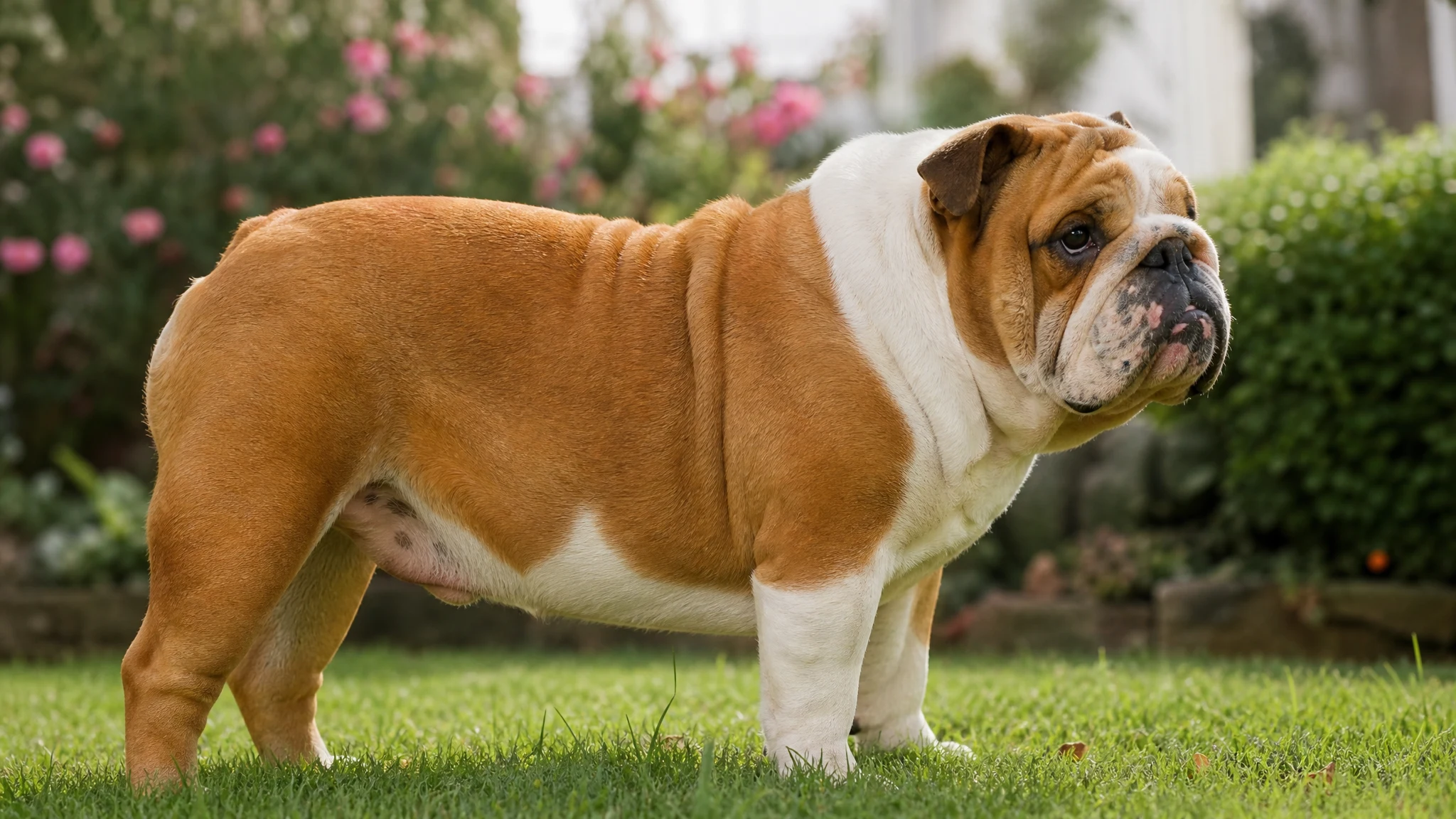
The Bulldog Club of America breed standard describes a medium dog. Mature dogs are about 50 lb and mature bitches about 40 lb. PetMD gives a similar range of roughly 40 to 50 lb.
PetMD also notes several diet-related points for the breed:
- The breed is prone to obesity, and extra weight worsens other conditions.
- Flat-faced anatomy can cause breathing difficulty and overheating. Excess weight makes those symptoms worse, so keeping the dog lean matters.
- Extra weight aggravates hip dysplasia.
- Environmental, food and flea allergies can cause skin problems, and some dogs need a special diet to manage them.
For a deeper look at these factors, see the diet factors that matter for English Bulldogs.
The takeaway for home cooking: calorie control is a major part of the job, not an afterthought.
What you need before you start
Materials
- A kitchen scale. Measuring by weight is more consistent than cups.
- Your dog's current weight and your veterinarian's view of an ideal weight.
- A written recipe from a qualified source (see Step 2).
- Airtight containers and a notebook or app for tracking meals and body weight.
- A slow feeder bowl, if your dog eats fast. PetMD notes these can slow eating.
Ingredients
Do not shop from a generic list. The ingredients, amounts and any added nutrients should come from the written recipe in Step 2. Swapping a protein, a vegetable or a grain changes the nutrient balance, so ask before you substitute.
Step-by-step: building a homemade plan
-
Book a veterinary visit first.
Ask your veterinarian for a body condition check and a target weight. PetMD advises basing portions on ideal weight, not current weight. If your dog has skin or digestive trouble, say so. A veterinarian decides what an individual dog needs. A recipe cannot do that for you.
-
Get a recipe written to a nutrient standard.
Commercial dog foods carry a statement that they meet the AAFCO Dog Food Nutrient Profiles. Your homemade plan should be built to the same yardstick. Ask your veterinarian whether they can write the plan or refer you to a veterinary nutritionist. Avoid a recipe from a social media post or a general blog. It may be missing nutrients, and the gaps may not show for months.
-
Work out the calories for your dog.
Ask your veterinarian for a daily calorie target based on ideal weight. Then divide it across meals. PetMD says adult Bulldogs are usually fed twice daily.
-
Weigh every ingredient.
A few extra spoonfuls of fat or starch each day add up quickly in a medium dog that gains weight easily. Weigh, record, and keep portions the same from batch to batch.
-
Cook and store as the recipe directs.
Follow the recipe's cooking method. Portion meals into containers so each serving is ready to go. Ask your veterinarian or nutritionist how long cooked batches can be kept.
-
Transition slowly.
Mix the new food into the old over several days, unless your veterinarian gives a different schedule. Watch stool, appetite, itching and energy.
-
Track weight and recheck the plan.
Weigh your dog on a regular schedule. Share the numbers at checkups. Adjust the plan with your veterinarian, not on your own.
What a homemade diet needs to cover
Think of this as a checklist to bring to your veterinarian, not a recipe.
- Complete and balanced nutrition. The goal is a diet that meets the AAFCO nutrient profile for your dog's life stage, not just a pleasant meal.
- Life stage. Puppies and adults need different foods. The Royal Canin Bulldog Adult page says its adult formula is for Bulldogs 12 months and older. The Royal Canin Bulldog Puppy page says to move to adult after 15 months. Those are manufacturer figures, so ask your veterinarian when your own dog should switch.
- Calorie control. Because of the obesity risk PetMD describes, the plan should state calories per meal, not just ingredients.
- Treats. PetMD advises keeping treats to no more than 10% of daily calories. Count them in the plan.
- Skin and allergy history. Food allergies can cause skin problems in the breed, according to PetMD. If your dog has them, a veterinarian should guide any ingredient choices.
A calorie reality check from real labels
Calorie density varies a lot between foods, so cups and calories do not translate across diets. These figures come from the brands' own product pages. They are label data. We compared labels and did not run feeding trials or taste tests.
| Food (brand page data) | Form | Energy as listed |
|---|---|---|
| Royal Canin Bulldog Adult | Dry | 277 kcal ME per cup, as fed (calculated) |
| Royal Canin Bulldog Puppy | Dry | 338 kcal ME per cup, as fed (calculated) |
| Freshpet Home Cooked Chicken Recipe | Fresh | 189 kcal per cup (calculated) |
| Nom Nom Chicken Cuisine | Fresh | 244 kcal per cup |
A cup of one food can hold well over a hundred calories more than a cup of another. A home recipe measured by the cup could easily overshoot your dog's target. This is why weighing and calorie targets matter.
Tips
- Keep one written recipe and follow it each time. Do not improvise.
- Prepare a batch in advance so you are not guessing on busy days.
- Take photos of your dog from above and the side every few weeks. They help you and your veterinarian see changes in body shape.
- Ask whether a ready-made option fits your situation. Some brands sell fresh foods with an AAFCO statement on the label, such as Freshpet, Nom Nom and JustFoodForDogs. Read the full label on the brand's page and ask the brand if you have questions. None of these are English Bulldog formulas, and we have not fed or tested them.
Common mistakes to avoid
- Cooking "like for people." A balanced human meal is not a balanced dog meal.
- Adding supplements on a guess. Only add them if your veterinarian or nutritionist tells you to, and follow their instructions on amounts.
- Measuring by cup or by eye. Small errors compound in a dog that gains weight easily.
- Skipping weigh-ins. Weight changes can be gradual. Without numbers, they are easy to miss.
- Treating the diet as a fix for a health problem. Diet is one part of care for joints, skin and breathing. It does not replace veterinary treatment.
- Switching ingredients freely. Each swap can change the balance of the whole recipe.
What results to expect
A carefully planned homemade diet may help you keep tighter control over calories and ingredients. Some owners find it easier to spot what does not agree with their dog. Many dogs are interested in fresh food.
No diet can promise a particular health outcome. Weight, skin, joints and breathing depend on many things beyond the bowl. The FDA's investigation into diets and canine dilated cardiomyopathy shows why caution is wise. The FDA's last public update was December 23, 2022, and the agency says report counts alone do not establish a causal link. If you have questions about ingredients and heart health, ask your veterinarian.
The practical measure is simple. Your veterinarian should see a dog at a healthy weight, with steady energy and a good coat, over time.
Sources
- Bulldog Club of America, AKC Bulldog Breed Standard
- PetMD, Bulldog breed page
- FDA CVM, Investigation into Potential Link between Certain Diets and Canine Dilated Cardiomyopathy
- Royal Canin US, Bulldog Adult
- Royal Canin US, Bulldog Puppy
- Freshpet, Fresh From the Kitchen Home Cooked Chicken Recipe
- Nom Nom, Chicken Cuisine
- JustFoodForDogs, Pantry Fresh Chicken & Rice